

Overview
People of all ages and genders are concerned about hair loss. Although stress, nutrition, and heredity are regularly mentioned as important factors, the effect of seasonal variations on hair loss is usually disregarded. Throughout the year, changes in temperature, humidity, and weather can affect the hair development cycle and cause differences in hair density and shedding habits. You may take preventative action and keep healthier hair throughout the year by being aware of these seasonal affects.
Seasons and the Cycle of Hair Growth
Anagen (growing), catagen (transition), and telogen (resting) are the three stages of the natural cycle of hair growth. The length and severity of these stages can be affected by seasonal variations. For instance, research has indicated that a greater number of hair follicles entering the telogen phase may cause an increase in hair loss in late summer and early fall. Even while this occurrence is frequently transient, it might be concerning if it is not recognized in the context of seasonal, normal hair loss.
Increased Hair Loss in the Summer
Overexposure to heat, sunshine, and pollution throughout the summer can damage hair strands and the health of the scalp. Hair cuticles can be harmed by ultraviolet (UV) radiation, increasing the likelihood that hair will break. Higher temperatures can cause more sweat and sebum to be produced, which can clog hair follicles and cause hair loss. Those who often swim in saltwater or chlorinated pools may also notice an increase in hair loss at this time of year.
Patterns of Autumn Shedding
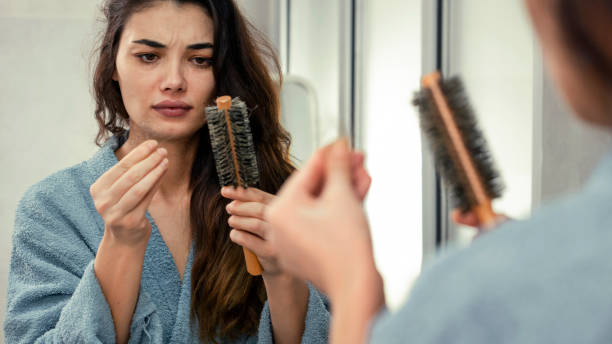
Fall is frequently linked to considerable hair loss. A lot of folks say they notice extra hair in the shower or on their pillow. The natural hair cycle adapting to fewer daylight hours and the accumulated impacts of summer damage are the main causes of this seasonal hair loss. Even while it may seem concerning, this kind of hair loss is often transient, and hair normally comes back over time.
Wintertime Hair Issues
Dry, cold winter air can dehydrate the scalp, resulting in brittle, flaky, and dry hair. Hair strands become weaker and more brittle as a result of indoor heating systems’ further depletion of natural oils. Wintertime may be an aggravation for those who already have hair loss issues. This season makes it crucial to keep the scalp hydrated and shield hair from damaging environmental elements.
Hair Regrowth in the Spring
As the body adjusts to higher temperatures and more sunshine, hair growth frequently occurs in the spring. Stronger hair growth during this season can be supported by increased circulation and healthier scalp health. Some people, particularly those who are susceptible to hormonal imbalances or nutritional deficits, may nevertheless experience modest shedding in response to abrupt seasonal changes.
Prevention Strategies for All Seasons
Improved hair care techniques are made possible by an understanding of the seasonal effects on hair loss. Seasonal hair loss can be lessened by using protective hair products, eating a healthy, vitamin-and mineral-rich diet, and keeping the scalp moist and clean. Preventing excessive heat styling and performing routine cuts can also assist reduce environmental impact.
In conclusion
Seasonal variations can have a subtle yet big impact on patterns of hair loss. It is feasible to reduce hair damage and encourage healthier hair all year long by understanding how the seasons impact hair growth and implementing the proper care practices. Understanding seasonal trends in hair loss enables people to differentiate between transient shedding and more severe hair disorders, enabling prompt treatments and improved hair health in general.