
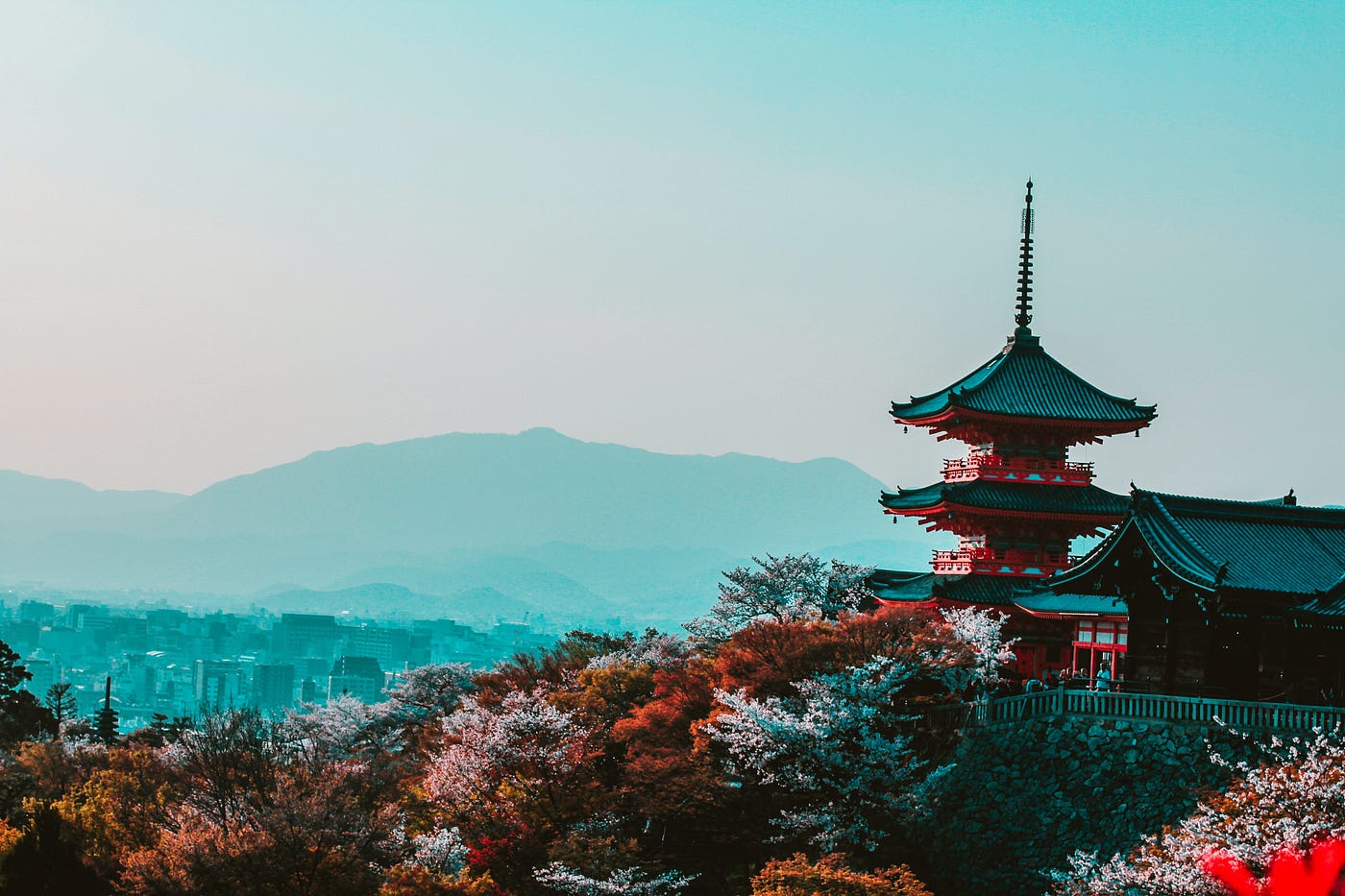

Japan in 2025 promises an enchanting blend of tradition and modernity, making it a top destination for travelers seeking cultural immersion and cutting-edge experiences. From the cherry blossoms of Kyoto to the neon-lit streets of Tokyo, planning your trip with the right information is key. This guide covers essential aspects like visas, the JR Pass, currency, and practical travel tips to ensure a seamless journey, especially for those exploring Japan holiday packages for an unforgettable adventure.
Visa Requirements for Japan in 2025
Japan’s visa policies are straightforward but vary by nationality. Citizens of 68 countries, including the US, Canada, Australia, and most EU nations, can enter Japan visa-free for short stays (up to 90 days) for tourism or business. Always check the latest requirements with the Japanese embassy or consulate, as policies may evolve. For others, a tourist visa requires a valid passport, a completed application form, a recent photo, and proof of travel plans, such as flight bookings or itineraries. Processing typically takes 5–7 working days. For those opting for Japan holiday packages for an unforgettable adventure, many tour operators assist with visa applications, streamlining the process.
Understanding the JR Pass
The Japan Rail (JR) Pass is a must for travelers planning to explore multiple cities. This cost-effective pass offers unlimited travel on JR trains, including most Shinkansen (bullet trains), for 7, 14, or 21 days. In 2025, a 7-day standard pass costs around ¥50,000 (approximately $340 USD), with prices varying based on exchange rates. The pass is only available to foreign tourists and must be purchased outside Japan or through authorized agents. Activate it at major JR stations upon arrival. For regional exploration, consider regional JR passes, like the JR East Pass for Tohoku or the JR West Kansai Pass. Plan your itinerary to maximize value, especially if traveling between Tokyo, Kyoto, Osaka, and Hiroshima.
Currency and Payments in Japan
Japan’s currency is the Japanese Yen (JPY). In 2025, cash remains widely used, especially in rural areas and small businesses, though digital payments like Suica or Pasmo IC cards and mobile apps (e.g., PayPay) are gaining traction in cities. Exchange money at airports, banks, or authorized exchange counters for better rates—avoid unofficial vendors. As of July 2025, 1 USD is approximately ¥147, but check rates closer to your trip. Budget around ¥10,000–¥15,000 per day for meals, transport, and attractions, excluding accommodation. ATMs at 7-Eleven stores are reliable for international cards. Always carry some cash for temples, small eateries, and rural areas.
Essential Travel Tips for 2025
- Best Time to Visit: Spring (March–May) for cherry blossoms and autumn (September–November) for vibrant foliage are ideal. Summer festivals and winter snowscapes in Hokkaido are also appealing but expect crowds or cold weather.
- Connectivity: Rent a pocket Wi-Fi device or buy a prepaid SIM card for reliable internet. Many cafes and stations offer free Wi-Fi, but it’s less dependable.
- Etiquette: Respect local customs—bow when greeting, remove shoes in homes or certain establishments, and avoid loud conversations in public spaces.
- Language: Basic Japanese phrases like “arigatou” (thank you) or “sumimasen” (excuse me) go a long way. English is limited outside major cities, so translation apps like Google Translate are helpful.
- Safety and Health: Japan is one of the safest countries, but stay vigilant in crowded areas. Carry your passport or ID, and ensure travel insurance covers medical emergencies.
With careful planning, your 2025 Japan adventure will be unforgettable. Whether you’re crafting your own itinerary or exploring curated Japan holiday packages for an unforgettable adventure, this guide equips you for a smooth and enriching experience.
Also Read: 7-Day Japan Itinerary 2025 – Tokyo, Kyoto, & Osaka in One Week!