
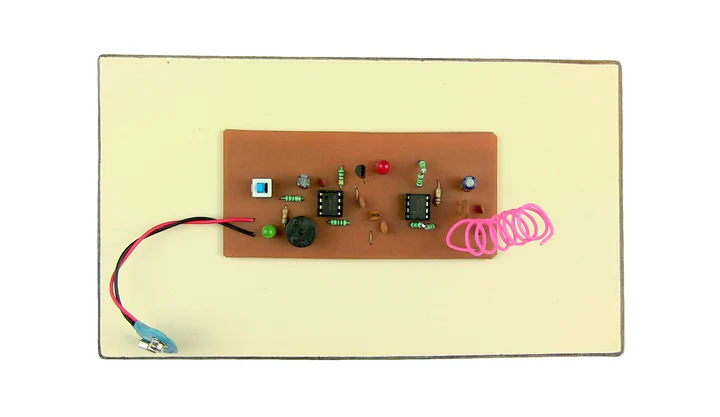

There’s something oddly comforting about opening up a box filled with parts, wires, tiny screws, and a little instruction manual that’s barely holding itself together. It’s almost like receiving a puzzle, but instead of just sliding pieces into place, you’re actually creating something that comes to life. In a world where everything feels polished, pre-packaged, and ready-made, there’s still a growing fascination for do-it-yourself kits—gadgets that remind us the magic of building isn’t dead.
Whether you’re a hobbyist, a student just dipping your toes into technology, or even someone who just misses the tactile joy of tinkering, these kits bring back an old-school curiosity in a refreshingly modern way. They make us pause, think, troubleshoot, and most importantly—learn.
The Allure of Building Something from Scratch
If you’ve ever watched a kid build a LEGO tower, you’ll recognize that little spark in their eyes when they step back and admire what they created. That feeling doesn’t exactly vanish with age—it just evolves. For adults, that spark comes from soldering wires on a circuit board, assembling a speaker system, or piecing together an electronic kit that eventually turns into a functioning gadget.
The beauty isn’t just in the finished product (although flipping the switch and seeing lights blink never gets old). The real magic lies in the process: the trial and error, the “wait, why isn’t this working” moments, and the sudden rush of clarity when it finally does. It’s hands-on learning disguised as fun. And maybe that’s why these kits are still popular—because they teach patience and problem-solving in a way no YouTube tutorial or pre-built gadget ever could.
From Curiosity to Confidence
One of the coolest things about building with kits is the confidence it brings. At first, the jumble of resistors, motors, or sensors might look intimidating. But step by step, you start connecting, testing, tweaking—and suddenly you’re not just following instructions, you’re understanding why things work the way they do.
This shift is subtle, but powerful. Instead of just being a consumer of tech, you become a creator. You don’t just accept that “it works,” you know why it works. That kind of knowledge builds a foundation that can spark lifelong interests in engineering, robotics, or even entrepreneurship. Many people who play with kits in their garage often find themselves dreaming bigger—designing their own devices or even starting small businesses.
When Learning Feels Like Play
Let’s be honest—traditional learning can feel stiff. Textbooks are full of theory but not much action. That’s why kits succeed where classrooms sometimes fail: they turn learning into play. You don’t just read about how electricity flows; you watch it light up LEDs. You don’t just hear about motors; you actually make them spin.
Take, for example, a drone motor kit. On paper, it’s a set of parts, wires, and small propellers. In practice, it’s an adventure. You’re not just building a machine—you’re learning aerodynamics, balance, weight distribution, and even coding if you’re programming flight paths. By the time that drone lifts off the ground, you’ve absorbed more about physics than you’d ever pick up from a dry lecture. And the best part? It doesn’t feel like studying at all.
The Patience Factor
There’s a quiet skill that often goes unnoticed when we talk about DIY projects: patience. We live in a culture of instant results—streaming, one-click shopping, even same-day delivery. But kits force you to slow down. They remind you that good things take time.
That moment when a circuit doesn’t light up or when a motor refuses to run—that’s where the real learning begins. Do you give up, or do you troubleshoot? Most of the time, you’ll try again, and in that persistence lies growth. It’s a reminder that mistakes aren’t failures, just stepping stones. That lesson sticks, not just in projects, but in life.
Why Parents and Teachers Love Them Too
For parents and educators, kits are more than just fun—they’re tools. In a classroom, they transform abstract concepts into real, touchable experiences. At home, they pull kids away from endless screen time and encourage problem-solving.
And unlike video games, where progress can feel fleeting, the skills learned while assembling a kit stick. Kids walk away not just with a finished project but with an understanding of how components interact. Parents love them because they spark curiosity, and teachers love them because they align with STEM education goals.
The Community Angle
There’s also a communal side to kit-building that shouldn’t be overlooked. Online forums, maker spaces, and social media groups are full of people sharing tips, troubleshooting advice, and showcasing their creations. Building becomes more than just a solitary activity—it turns into a shared experience.
Ever scrolled through YouTube and watched someone build a robot from scratch? That’s part of the appeal: learning from others, seeing how they solved problems, and sometimes just admiring the creativity. Kits connect people who might otherwise never meet, bridging backgrounds and skill levels.
A Gateway to Innovation
The funny thing about kits is that they often plant seeds of innovation. A simple robotics set today might inspire someone to design life-changing automation tomorrow. The Wright brothers didn’t start by building airplanes—they tinkered with bicycles. Likewise, many inventors trace their curiosity back to childhood projects or kits that first sparked their imagination.
In a way, kits are small investments in future innovation. They give people permission to experiment without fear of failure, to push boundaries in ways that textbooks rarely encourage. Who knows—today’s drone hobbyist could be tomorrow’s aerospace engineer.
Wrapping It All Up
At the end of the day, DIY kits are more than just boxes of parts. They’re little invitations to wonder, explore, and create. They remind us that technology isn’t just about consuming the latest gadget—it’s about understanding how things work and even shaping them ourselves.
Maybe that’s why these kits keep their charm, even in our hyper-digital world. They balance nostalgia with modern learning, fun with frustration, and play with education. And in a culture where everything is ready-made, they remind us of something priceless: the joy of building is still alive and well.
So whether you’re picking up your first soldering iron, building a quirky robot, or sending a homemade drone into the sky, remember this—it’s not just about the final product. It’s about the curiosity you feed, the patience you practice, and the confidence you build along the way. That’s what makes these projects truly worth it.