

Understanding the Whole Importer of Record Chaos
People hear the term Importer of Record and immediately imagine some hyper-serious logistics expert wearing a hard hat and staring at documents like it’s a thriller movie. But honestly, the job is way more interesting (and sometimes annoyingly complicated) than it sounds. If you’ve ever tried bringing something into a country—whether it’s a huge shipment of tech gadgets or just bulk accessories—you already know how confusing customs can be.
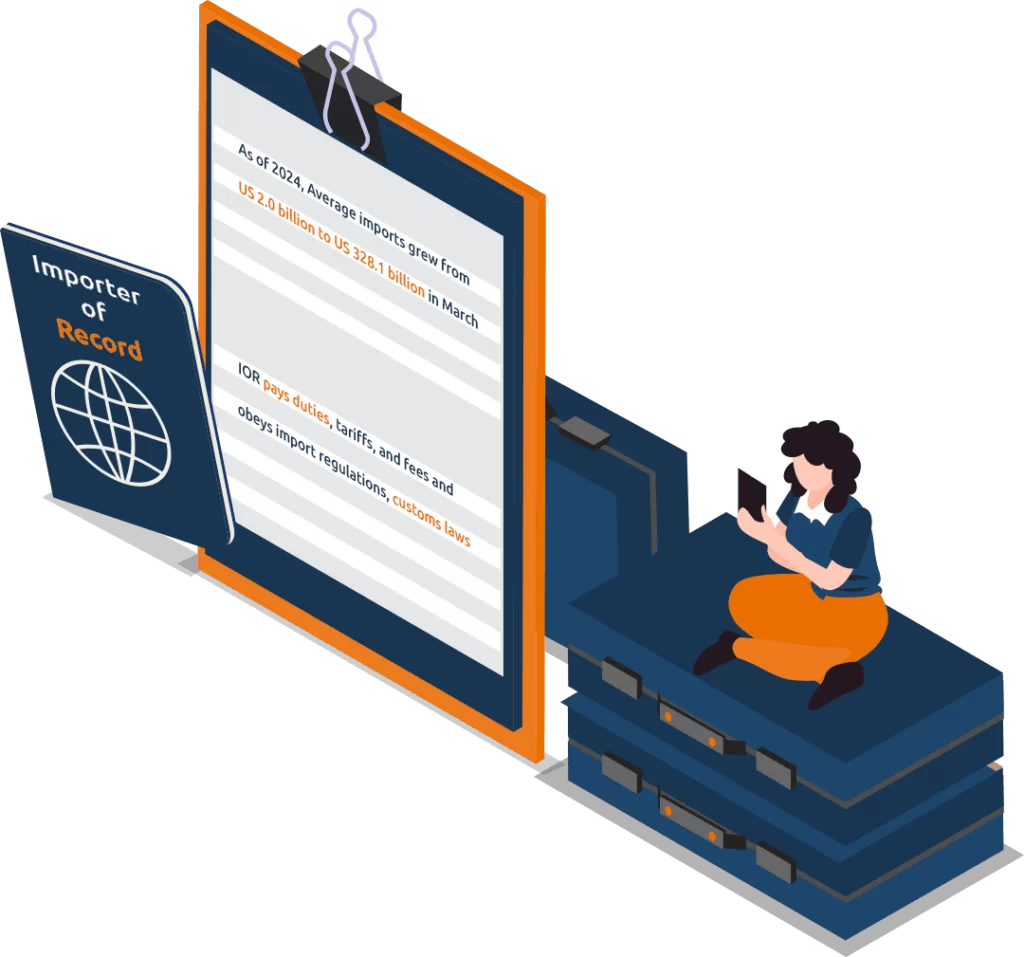
That’s where the Importer of Record thing comes in. It’s basically the person or company that says, “Alright, I’ll take responsibility for this messy paperwork… and possibly a little stress too.” The funny part is, most businesses don’t even realize how important this role is until something goes wrong, like a shipment stuck at customs for three days because of one missing detail. Yes, that happens more often than you think.
The Everyday Drama Behind Global Shipments
If you scroll through logistics forums or even Reddit threads, you’ll find tons of people ranting about customs delays like it’s a normal part of life. And it kind of is. One tiny HS code mismatch and suddenly your goods are sitting in a warehouse while you refresh tracking updates like you’re stalking an ex on Instagram.
That’s why companies rely on services like an Importer of Record. They basically become the “official adult in the room,” dealing with customs authorities, taxes, documentation, compliance checks, and all the stuff most businesses would rather avoid. Honestly, if paperwork were a sport, IOR teams would be Olympic athletes. While the Importer of Record ensures compliance in international logistics, domestic transport solutions such as https://www.shiply.com/us/
Why IOR Matters More Than People Think
From my not-so-expert but two-years-of-writing-experience opinion, I feel like importing is one of those things that looks easy from the outside—like assembling IKEA furniture. You think you’ve got it handled, and then halfway through you realize the screws don’t match, the manual is confusing, and you’ve installed the wrong panel. IOR services prevent that kind of disaster but on a global scale.
The role keeps growing because international shipping rules keep changing every five minutes. Some countries even change regulations mid-transit, which is just wild. Without an IOR, a business would have to handle customs clearance, legal accountability, import licenses, and tax obligations on their own. Imagine juggling all that while also trying to run your business.
A Quick Story Because Real Life Is Weird
I once spoke with a small business owner who tried importing smartwatches on his own. He assumed the “commercial invoice” was just a normal invoice and didn’t bother listing the exact internal components. Customs flagged the shipment so hard you’d think he was smuggling alien technology. It took nearly a month to clear, and he told me he spent that entire time googling “why is my shipment stuck.”
If he had used an Importer of Record, the whole thing would’ve been as smooth as ordering food online. Well… almost.
The Hidden Work IOR Teams Actually Do
There’s this misconception that IOR is just about handling some documents. Nope. It’s a whole layered job with legal, technical, and operational responsibilities. They have to ensure the shipment follows local import regulations, classify goods with the correct codes, pay relevant duties, maintain compliance logs, and communicate with customs officers who sometimes act like they’re guarding national secrets.
It’s like a mix of detective work, accounting, and diplomacy. Plus, if anything goes wrong, the authorities don’t chase you—they chase the IOR. They’re literally putting their name on the line for your shipment, which is kind of admirable in a risky, paperwork-heavy way.
Why Businesses Prefer Outsourcing IOR
People on LinkedIn often talk about “efficiency” and “streamlined processes,” but the real reason businesses use IOR services is simple: no one wants trouble with customs. It’s like avoiding unnecessary arguments—you just let someone else handle it so you can keep your peace.
Outsourcing to a specialized team like the one behind Importer of Record reduces delays, avoids compliance errors, and gives you a clear path to get your goods delivered without emotional damage.
The Digital Era Has Changed the Game
With online B2B sales exploding, even small brands are shipping globally. TikTok sellers, Instagram boutiques, tech resellers—everyone wants to reach international buyers now. But cross-border shipping laws aren’t trending or user-friendly, so IOR services fill that gap.
There’s even increasing chatter on social media about “global shipping hacks,” but most of those “hacks” involve someone secretly relying on an IOR behind the scenes. It’s like the ghostwriter of the logistics world—quiet but essential.
The Final Word, But Not a Formal Conclusion
The next time you see the term Importer of Record, don’t think of it as just another boring logistics phrase. It’s actually one of the biggest reasons global trade flows without constant chaos. And if you’re planning to import anything beyond casual souvenirs, trust me—having a proper IOR is the difference between smooth delivery and a month-long customs nightmare.