
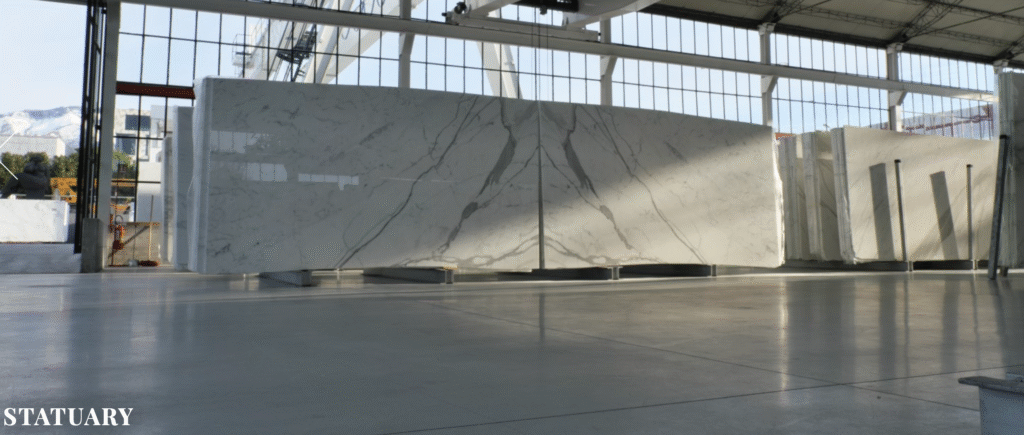

The Marble Obsession
Honestly, I never thought I’d get this deep into the world of marble. I always imagined marble as just that fancy, cold stuff in museums or those luxury hotels where you feel like your wallet is being judged. But then I stumbled into Kishangarh marble, and man… it’s a whole vibe. People on Instagram can’t stop posting their living rooms with these glossy, white slabs, and I totally get it. There’s something about the subtle veins in Kishangarh marble that just screams “classy without trying too hard.”
If you’re hunting for the kishangarh marble price list, you might already know this: the prices can feel a little like navigating a maze blindfolded. I remember scrolling Reddit threads and Facebook groups where homeowners were debating whether a slightly creamier shade was worth a 15% markup. And yeah, you get those people who treat marble like Pokémon, collecting every variant.
Why Kishangarh Marble?
Now, before we dive into numbers (kind of), let’s talk why Kishangarh marble even matters. First off, it’s from Rajasthan, which is basically the king of marble. Kishangarh specifically produces marble that’s slightly different from the stuff you see in Makrana (hello, Taj Mahal vibes). The textures are smoother, and the colors tend to be more consistent, which is a huge deal if you’re going for that seamless modern look.
I had a buddy who tried mixing Makrana and Kishangarh in one kitchen counter, thinking “they’re both white, right?” Spoiler: it looked like a weird patchwork quilt. So yeah, consistency matters more than most people realize.
Breaking Down the Prices
Okay, now to the juicy part: the price. If you peek at the kishangarh marble price list, you’ll see a wide range. Some pieces are surprisingly affordable, while others feel like they’re meant for billionaires decorating their yachts.
From what I’ve seen, the prices mostly depend on a few things: the thickness of the slab, the finish (polished, honed, or matte), and, believe it or not, the veining pattern. There’s a lot of chatter online about “premium veins” being a must-have for interiors, but honestly, I think it’s mostly aesthetic snobbery. If you’re not photographing your kitchen for a Pinterest board, a subtler vein works just fine.
And here’s a weird little nugget: apparently, the color intensity can slightly affect the price too. Darker creams and whites with dramatic veins are rarer, and sellers know it. It’s kind of like the avocado market, except with marble.
Online vs Offline Prices
Another thing I noticed while lurking on forums and marble-selling websites: online prices can be a rollercoaster. A slab that looks “decent” on a website could be completely different in person. There’s always that one guy on Facebook Marketplace bragging, “Bought Kishangarh marble for half the price online!” but then you read the comments, and it turns out the slab had a weird greenish tint.
Visiting local suppliers still has its charm. You can actually see and touch the marble, which is a huge factor if you don’t want your kitchen floor to look like a DIY fail. That said, the kishangarh marble price list online is handy for budgeting before you make the trek to the warehouse.
Small Mistakes I’ve Seen
Honestly, people underestimate how much marble can change the vibe of a room. I’ve seen someone pick a slab online, get it home, and it totally clashed with the wall paint. And then there’s the math… yeah, square footage calculations are trickier than they seem. I once miscalculated a room by like 10%, and my contractor gave me the side-eye for days.
Final Thoughts (But Not Too Final)
Kishangarh marble isn’t just a surface; it’s a personality for your home. And like any personality, it has quirks. Prices fluctuate, veins are subjective, and online pictures don’t always tell the full story. But if you do your homework, check the kishangarh marble price list, and maybe touch a few slabs yourself, you’ll find something that doesn’t just look good but feels right too.